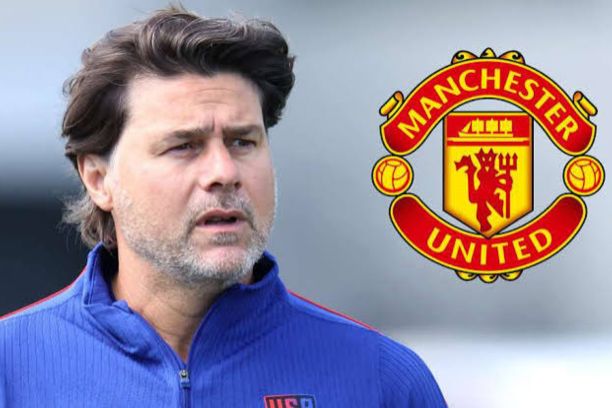
The appointment of Pochettino has given a troubled Old Trafford a new storyline, but it has not automatically delivered a fresh start. United are not simply asking a respected coach to make a talented squad play attractive football.
They are asking him to interrupt a slide that has dragged one of the sport’s biggest institutions into an unfamiliar fight near the bottom of the table. Following the club’s announcement on November 13, 2026, supporters have a genuine reason to anticipate change. The harder question is whether that change can arrive quickly enough to save the campaign.
Mauricio Pochettino officially takes over on November 18, following his final international duties with the United States. His first scheduled assignment is a daunting trip to Liverpool on November 22. The timing creates an irresistible headline, yet the significance extends beyond one rivalry match.
A new manager must restore confidence, organize the team without the ball, create a consistent attacking identity and convince frustrated supporters that the direction of travel has finally changed. It is a rescue mission, but not one that can be accomplished through passion alone.
Why Manchester United Turned to a New Manager
The context of this appointment is unusually severe. United entered the November international break in 18th place with eight points from their first ten league matches, a record that included only one victory. That is not a temporary dip easily dismissed as unfortunate finishing or a difficult run of opponents. When poor results are accompanied by uncertainty about the team’s shape, recruitment and confidence, a manager inherits several problems at once. The decision to dismiss Michael Carrick reflected the urgency of the situation, even though another change in the dugout could not guarantee an immediate turnaround.
For Manchester United, the scale of the challenge is sharpened by history. Supporters still associate Old Trafford with controlling matches, imposing personality on opponents and producing thrilling football, especially when the pressure is greatest. The English Premier League offers no special protection for a famous badge, however. League position is earned through chance creation, defensive organization, physical reliability and consistent decision-making. That makes this appointment a test not only of a coach’s tactical intelligence but of whether the institution can finally match public ambition with a coherent plan behind the scenes.
The Appointment: What Has Actually Been Confirmed?
The club confirmed on November 13 that the Argentine would begin work as men’s first-team head coach on November 18. U.S. Soccer separately announced that he would remain with its national team through the November camp, including fixtures against Haiti. Reports from major outlets indicate an agreement running to the summer of 2029, but the essential point for the season ahead is more immediate: his first week with the squad will be short, and the competitive calendar will not pause while he introduces his ideas.
That compressed timetable matters. Pochettino cannot spend six weeks building match fitness, learning personalities and rehearsing movements away from public attention. He must decide what to keep from the previous setup and what to change immediately. A complete tactical overhaul before the Liverpool fixture could expose a fragile group to confusion. Doing too little might make the managerial change feel cosmetic. The sensible middle ground is to install a handful of clear principles first, then expand them as training sessions and competitive performances reveal which players can execute his instructions.
What His Previous Jobs Tell Us
His coaching career offers reasons for both optimism and caution. At Southampton, he built a reputation for ambitious, energetic football and improved a group that had not been assembled as a superteam. Tottenham became his defining English project: young players developed, collective pressing took shape and the side repeatedly competed near the top of the table. That period culminated in the 2019 Champions League final, although the absence of a major trophy at Spurs remains part of the discussion about what separates attractive progress from ultimate success.
Paris Saint-Germain presented a different kind of challenge, with superstar management and immediate expectations rather than the patient construction of a rising squad. Chelsea showed another side of his coaching: a difficult beginning followed by improved performances from a young, uneven group. His United States spell then required adapting methods to international windows, limited training time and players spread across different clubs. None of these assignments is an exact comparison with Old Trafford. Together, however, they suggest a manager at his best when he earns trust, defines roles and turns individual ability into coordinated effort.
The United States Chapter Adds an Interesting Twist
His departure from the national team is more than a footnote. Appointed in September 2024, he guided the Americans to the 2025 Concacaf Gold Cup final and the last 16 at the 2026 World Cup. U.S. Soccer credited the coaching staff with stronger standards, improved pathways between age groups and a willingness to introduce younger players. The federation recorded 21 wins, 12 defeats and two draws over 35 matches. Those results tell a mixed but meaningful story: notable tournament progress alongside evidence that even a respected coach cannot eliminate inconsistency overnight.
For Pochettino, the international experience may be valuable in one specific respect: prioritization. National-team managers rarely have enough time to rebuild every detail, so they must identify the few ideas that make the biggest difference. United’s crisis requires a similar approach. The manager can communicate pressing triggers, defensive distances and responsibility in possession before he has perfected every attacking pattern. That does not make the transition simple. It means the lessons of working with a national team could help him distinguish the urgent from the merely desirable.
What Does Pochettino Football Actually Look Like?
Mauricio Pochettino is commonly associated with a 4-2-3-1 system, although a formation alone says very little about how a team plays. The defining themes are compactness when pressing, purposeful movement after regaining possession and attacking players who are willing to work without the ball. He often asks a forward to lead pressure, wide players to close passing lanes and midfielders to push up in support. When the entire team responds together, opponents have less time to play through the middle and the ball can be recovered in dangerous areas.
In possession, Pochettino has generally favored quick progress toward goal rather than sterile circulation. Full-backs can provide width while wingers move inside, allowing the number ten to combine in crowded central spaces. The danger is that every aggressive run forward creates space behind it. A disciplined midfield and well-positioned centre-backs therefore matter as much as technical attackers. If the defensive line is slow to react, pressing turns into chasing. His greatest tactical task will be making risk feel calculated rather than chaotic.
A New Pressing Identity Will Take Time
High pressing is frequently marketed as an instant cure for poor performances, but it is one of football’s most demanding collective skills. A striker can sprint toward a defender while the midfield remains stationary, leaving a simple pass that bypasses the effort. A winger can press at the wrong angle, opening a route into central midfield. Even one player arriving two seconds late may turn a promising trap into a dangerous counterattack. The coach must therefore teach a shared language of cues, distances and cover rather than simply demand that everyone run harder.
The official Premier League analysis of the appointment highlighted both his high-intensity history and United’s low running-distance ranking early in the campaign. Those figures are useful context, not proof that effort alone caused poor results. Teams asked to defend deeper will naturally cover ground differently from aggressive pressing sides. A fair evaluation should track whether opponents find it harder to progress through United’s press, whether ball recoveries occur farther forward and whether the team remains protected when the first wave is beaten. Quality of movement matters more than theatrical intensity.
The Midfield Could Decide Everything
A pressing attack needs a midfield that is comfortable doing several jobs at once. It must receive the ball under pressure, protect central areas during transitions and support forwards quickly enough to prevent isolation. United have players with different strengths, but turning them into a balanced unit will require choices that may disappoint some established names. The manager must decide whether he wants two complementary midfielders behind a creator or a more fluid three-man structure that provides extra security against strong opponents.
Pochettino has previously developed midfield combinations that made difficult football look effortless. At Tottenham, a powerful platform allowed attackers to take risks because teammates could cover the spaces they vacated. Kobbie Mainoo is an obvious player to assess for his ability to receive and turn under pressure, while Carlos Baleba offers another profile to consider when available. The crucial question is not which individuals look best on a lineup graphic. It is whether the selected pairing can connect defence to attack without leaving the centre of the pitch exposed.
Bruno Fernandes: Freedom With Responsibility
Bruno Fernandes gives a manager an unusual creative weapon. He can spot early forward runs, switch the point of attack and produce the decisive final pass even when a match feels stuck. Those strengths could suit a system designed to attack quickly after winning possession. A number ten operating behind a mobile striker can help turn a high recovery into a clear chance before the opposition has reorganized. The temptation will be to make Fernandes the solution to every possession, but that would risk reproducing the dependence that has troubled United in difficult periods.
Instead, Pochettino must create repeatable routes that bring Bruno into good areas without requiring him to manufacture every opening. That may involve a winger occupying a defender, a full-back overlapping at the correct moment and a midfielder providing a safe passing option behind the attack. Fernandes also has to help shape the press, because a creative player stationed between midfield and attack can either close the opposition’s escape route or accidentally leave it open. The goal is to protect his imagination with structure, not to coach the imagination out of him.
Wide Players Must Become More Than Individual Threats
Modern attacking football often depends on what happens in the half-spaces, the channels between a full-back and centre-back. A winger who always stays wide can be predictable; one who always cuts inside can crowd the number ten. The best attacking units create movement in sequence. When a full-back overlaps, the winger can drift inward. When the winger stretches play, a midfielder can arrive between the lines. Those rotations are especially important for a side that has struggled to turn possession into reliable pressure.
For Man Utd, players such as Amad, Bryan Mbeumo and Matheus Cunha present intriguing possibilities, though the most effective combination will depend on fitness and match demands. Amad can offer close control in tight areas, Mbeumo brings direct attacking movement, and Cunha can operate between conventional positional labels. The manager should resist asking all three to solve games through individual dribbles. A functional structure can turn talented attackers into partners: one attracts the defender, another attacks the space and a third arrives to finish the move.
The Striker Question Is Bigger Than Finishing
A number nine in this system is not merely a penalty-area finisher. The striker initiates pressure, occupies central defenders, opens lanes for midfield runners and provides an outlet when the team is pinned back. An attacker who scores occasionally but cannot connect those phases may make the entire unit less effective. Equally, a relentless presser who lacks composure inside the box can waste the chances his teammates work so hard to create. A good coach must decide how much weight to place on each quality and adapt the surrounding roles accordingly.
Injury availability makes this problem harder. November reporting identified Benjamin Sesko’s absence as one of the obstacles confronting the incoming manager, while other attacking options had not consistently solved the centre-forward position. Pochettino should not be judged solely by the scoring form of one player in his opening fixtures. More revealing will be whether the team creates better-quality chances, gets enough runners into the area and maintains attacking threat even when it cannot field its preferred striker. Sustainable improvement begins with the quality of opportunities rather than a single hot streak.
Fixing the Defence Without Sacrificing Attack
The most urgent rescue projects usually start by making goals conceded less likely. United’s record before the appointment showed why. A side near the relegation zone cannot repeatedly gift opponents clear transitions and expect its attacking talent to repair the damage. Yet rebuilding the defence does not necessarily mean retreating into a low block. A coordinated press can be a defensive weapon, and a well-organized possession structure can prevent opponents from counterattacking. The question is whether the back line has the spacing, concentration and recovery speed to support ambitious football.
Pochettino must also be pragmatic with personnel. Lisandro Martinez can contribute aggression and passing range, Leny Yoro offers the potential of a developing defender, and experienced options provide alternatives depending on the opponent. Full-back roles may be especially important because aggressive overlapping runs require protection behind them. The manager could initially limit how often both full-backs advance together, or ask one midfielder to hold a more conservative position. Such details rarely dominate headlines, but they may decide whether the team survives vulnerable moments without conceding.
Young Players Offer a Route to Renewal
There is a powerful emotional appeal to youth at Old Trafford. The club’s identity is connected to players who grew within its system or broke through before they were widely recognized. The new coach’s track record with emerging talent makes this a promising point of connection. At Southampton and Tottenham, younger players received responsibility within a demanding framework rather than being celebrated simply for their age. A teenager can run enthusiastically and still make costly positional mistakes; proper development requires guidance, repetition and the freedom to learn.
The English Premier League is a ruthless environment in which every youthful error can become a goal, a headline and a social-media argument. That should not deter a thoughtful manager from using academy graduates. It should encourage him to select them with clear tasks and supportive teammates. A youngster who knows when to step out, where to receive and which passing option to choose can make a more dependable contribution than a more famous player without defined responsibilities. Whether youth becomes a genuine strategy or a convenient talking point will depend on meaningful minutes and patient coaching.
Leadership and Dressing-Room Trust
Tactical adjustments will fail if players do not believe the instructions are fair, achievable and consistently enforced. New managers often benefit from a temporary surge in attention: everyone wants to impress, previously marginalized players sense an opportunity and the training ground becomes more competitive. That effect is useful but short-lived. Once results disappoint or difficult selection decisions arrive, the coach must show that standards apply equally to star players, academy graduates and expensive signings. A group already shaken by poor form needs clarity rather than another cycle of public criticism.
Pochettino is frequently praised for strong relationships with players, yet empathy is not the same as indulgence. He must combine honest communication with clear accountability. If the side fails to press together, the training response should identify how and why it broke down. If attacking players neglect recovery runs, selection should reflect that. Equally, improvement deserves recognition even when the final score is disappointing. The strongest cultures distinguish between a bad outcome and a bad performance, allowing players to learn without assuming every setback means the whole project is collapsing.
Liverpool Away: A Brutal First Examination
The schedule offers no gentle introduction. The first scheduled fixture is Liverpool away on November 22, one of the most emotionally charged games United could possibly face. A new coach has little time to evaluate combinations, install pressing patterns or fine-tune match-specific details. Anfield can punish hesitation, particularly when a visiting team pushes forward without sufficient defensive cover. The match will attract enormous attention, but it would be unreasonable to treat ninety minutes as a final verdict on a manager whose appointment is only days old.
For Pochettino, a successful debut does not have to mean a victory, although any positive result would provide obvious momentum. There are more informative questions. Can United remain compact when Liverpool build through midfield? Will the attackers press on the same cues? Can the team escape pressure with planned passing routes rather than panicked clearances? Do the players respond constructively after conceding or wasting a chance? Such indicators can reveal the first signs of a tactical identity even if the scoreboard offers little comfort. The first game should establish a baseline, not settle the future.
What Would Saving the Season Actually Mean?
Language matters because ‘saving the season’ can describe several different targets. A club accustomed to competing for trophies may think in terms of European qualification, while a team beginning mid-November in 18th place has a more urgent obligation to create distance from relegation. Reality demands sequencing. United must first become difficult to beat, then accumulate wins consistently, and only afterward reassess what is realistically attainable higher up the standings. Grand promises made before basic stability returns would add pressure without creating extra points.
Pochettino should be evaluated against the position he inherited, not a fantasy table that erases the opening ten matches. If he produces a credible points-per-game improvement, reduces soft goals and creates an identifiable way of playing, that would represent genuine progress. It would not automatically make the campaign a triumph. The same distinction applies to cup competitions: a deep run could bring joy, but it should not conceal weak league performances. Saving the season would ideally mean restoring security and laying foundations for a stronger following year.
The First Month: A Practical Checklist
The first month should focus on changes that can be trained quickly and measured honestly. Defensive distances are one. Set-piece responsibilities are another. Clear rules for when to press and when to retreat can reduce the exhausting periods in which a team seems to chase shadows. Simple build-up patterns can help defenders avoid risky passes into crowded midfield areas. The coaching staff should also assess player load carefully, since an intense style introduced too abruptly can raise physical demands before the squad is ready to sustain them.
In that period, Pochettino should avoid changing everything to prove his authority. Some existing routines may already work and deserve to survive. The most effective coaches can distinguish the habits that harm performance from those that give players stability. They also avoid mistaking one impressive game for a solved problem. The objective is a repeatable performance floor: a team that protects central areas, generates enough chances and remains competitive even when confidence dips. That floor is often the difference between collecting points and losing matches that should have ended in draws.
January Transfers: A Chance, Not a Shortcut
Recruitment will inevitably enter the conversation as January approaches. Supporters may demand a forward, a midfielder or new defensive options, especially if the opening fixtures expose recurring weaknesses. But transfer windows do not repair every structural problem. Buying a player whose profile does not fit the system may simply create another expensive selection dilemma. A club that has changed coaches repeatedly needs a clear connection between the football department’s long-term plan and the head coach’s immediate tactical requirements.
Pochettino should therefore help define roles rather than dictate a collection of glamorous names. Does the team require a striker who stretches play, a full-back who can carry the ball, or a midfielder capable of covering broad spaces? Which of those needs can be solved internally? Are injured players expected back soon, altering the urgency? Those questions are more productive than reacting to each poor result with a transfer rumor. Recruitment can strengthen a coherent idea, but it cannot substitute for coaching one.
The Club’s Leadership Cannot Delegate Every Problem
There is a recurring temptation at struggling big clubs to make the manager the face of problems that extend well beyond the touchline. Poor recruitment, unclear authority, uneven squad planning and changing expectations all affect the work of a coaching staff. One manager can choose the lineup and teach players when to press; he cannot single-handedly create a stable organizational culture if senior decision-makers change priorities every few months. That distinction matters because it determines whether improvement can survive an inevitable difficult run.
For Manchester United, a healthier arrangement would give the manager clarity about recruitment responsibilities, access to performance support and realistic performance objectives. Executives should challenge decisions while resisting the impulse to undermine the coaching process after every defeat. Fans can demand accountability from the manager without pretending every failure starts with him. If the club hopes to build something durable, leadership must treat the appointment as part of a coherent sporting strategy rather than a dramatic reset button to be pressed whenever patience runs out.
The Biggest Risks to the Rescue Mission
Three broad threats could slow the turnaround. First, the squad may struggle with the physical and positional requirements of a more aggressive style. Second, poor early results could intensify pressure before the coaching work has had time to register. Third, an unbalanced collection of players might require compromises that prevent the team from resembling the manager’s ideal model. None of those risks proves the appointment is mistaken. They simply show why success should not be confused with the immediate reproduction of his best Tottenham side.
A further danger is overcorrection. If Pochettino responds to every setback by changing formation, personnel and pressing height simultaneously, the team may never learn a stable set of habits. Conversely, refusing to adjust against opponents who can exploit space behind the back line would be stubbornness rather than conviction. The right balance is consistency in principles and flexibility in their application. A coach who can explain why the approach changed from one match to the next will build more trust than one who treats flexibility as a sign of weakness.
How Supporters Should Judge the Turnaround
Results are ultimately the currency of football, but a sensible assessment should include the mechanisms producing them. Better expected-chance quality, fewer high-value opportunities conceded and more successful progressions into the final third can indicate that performances are improving. Pressing numbers require context: the team should not be praised merely for sprinting more if opponents continue to pass through the pressure easily. Likewise, an isolated clean sheet achieved through desperate defending may reveal less than a controlled match in which the opponent rarely threatens.
Pochettino will need results quickly, yet there is value in separating short-term variance from meaningful progress. A deflected winner may conceal a poor display, just as missed chances may hide an encouraging attacking performance. Looking at trends across several matches helps avoid emotional verdicts. Fans should also watch whether players understand their roles without constant gestures from the touchline. When a team begins solving familiar problems automatically, it suggests the coaching messages are becoming habits rather than temporary instructions.
Can United Still Climb the Table?
A Premier League campaign is long enough for a meaningful recovery, especially when the early gap between struggling teams is not necessarily decisive. A run of controlled performances can transform points totals and confidence surprisingly quickly. However, the task becomes harder when a club is already behind its rivals and facing a demanding schedule. United cannot recover lost points retrospectively. Every late equalizer conceded, every wasted home opportunity and every disciplinary mistake reduces the margin for error across the rest of the season.
The bigger question for Man Utd is whether an improved team can emerge before the pressure of the standings dictates every tactical decision. Once fear of losing becomes dominant, players can avoid forward passes, hesitate to press and retreat instinctively after taking a lead. A coach must create enough structure for players to take responsible risks. That psychological dimension is often overlooked in debates about formations. A confident team does not necessarily take more reckless chances; it understands which risks are worth taking and who will cover when they fail.
A Realistic Verdict on the New Era
There are good football reasons to believe this appointment could work. The coach has experience in English football, has guided young players through significant development and has shown that coordinated pressing can make teams greater than the sum of their parts. His work at different clubs and with the United States should also have broadened his ability to adapt. Those strengths are relevant to United’s needs, particularly the demand for clearer roles, better transitions and a stronger connection between team identity and supporters.
Yet Pochettino does not arrive with a guarantee. The relegation-zone starting point is serious, the Liverpool opener is unforgiving, and the squad cannot be rebuilt overnight. A credible rescue will depend on sharper defending, collective responsibility, good player availability and support from the club’s decision-makers. Expecting instant perfection would ignore the scale of the task; expecting no significant improvement would ignore the reason he was hired. The appropriate target is measurable progress that becomes consistent enough to change both performances and the league table.
Final Thoughts
Football loves the romance of a new beginning, particularly at a club that has spent years trying to reconnect with a more successful past. A recognized coach walking into Old Trafford offers pictures, quotes and the possibility of an immediate lift. Real recovery is less cinematic. It is built in training sessions, quieter dressing-room conversations, defensive corrections and a string of matches in which the team starts making better decisions more often. That process can feel slow even when it is working.
Pochettino has an opportunity to change the direction of the campaign, but his task is larger than restoring a pleasing style. He must give supporters a side they can recognize: committed, organized, inventive and resilient under pressure. If those qualities appear consistently, league results should have a stronger foundation and the argument for a lasting revival will become credible. The new era has been announced. Whether it becomes a rescue story will be decided not by the excitement of the appointment, but by the quality of the football that follows.
Frequently Asked Questions
Question 1: When does Mauricio Pochettino officially take charge of Manchester United, and who is his first opponent?
Ans: Mauricio Pochettino officially assumes his role as Manchester United’s head coach on November 18, 2026, after completing his final international break duties with the U.S. Men’s National Team. His first match in the dugout will be a high-stakes Premier League away clash against arch-rivals Liverpool at Anfield on November 22, 2026.
Question 2: Why did Manchester United choose Mauricio Pochettino to rescue their campaign?
Ans: United’s hierarchy targeted Pochettino for his proven Premier League pedigree, ability to stabilize dressing rooms under pressure, and track record of developing young, energetic squads. Having previously rescued Espanyol from relegation, led Southampton to a club-record Premier League points tally, and turned Tottenham Hotspur into consistent Champions League contenders and 2019 finalists, he brings the exact crisis-management and tactical structure United urgently need.
Question 3: What tactical changes can fans expect under Pochettino?
Ans: Pochettino is famous for his high-intensity pressing, rapid transitions, and demanding fitness standards, typically utilizing a fluid 4-2-3-1 formation. At Old Trafford, fans can expect a much higher defensive line, aggressive off-the-ball work rates from the forward line, and a clearer attacking structure designed to unlock key creators like Bruno Fernandes and Bryan Mbeumo while tightening a defense that has already conceded 19 league goals.
Question 4: Can Pochettino realistically save Manchester United’s season?
Ans: While a Premier League title challenge is out of reach given their 19-point gap behind leaders Arsenal, saving the season is very realistic. With 28 league games still remaining and a strong squad that finished third just last season, Pochettino has ample time to pull United away from the relegation zone, push for a respectable top-half or European finish, and mount a deep run in the Champions League knockout rounds and domestic cups.
Image Credit: Goal.com
Read more: Pochettino Introduces New Rule at Man Utd
Related Articles
Xabi Alonso at Chelsea: Too Soon to Panic? (Matchweek 4 Review)
Premier League: Top 7 Mind-Blowing Records Ever!
Bundesliga Transfer News: 10 Most Expensive Players Ever!
Top 11 Most Expensive Football Transfers in Ligue 1 History!